
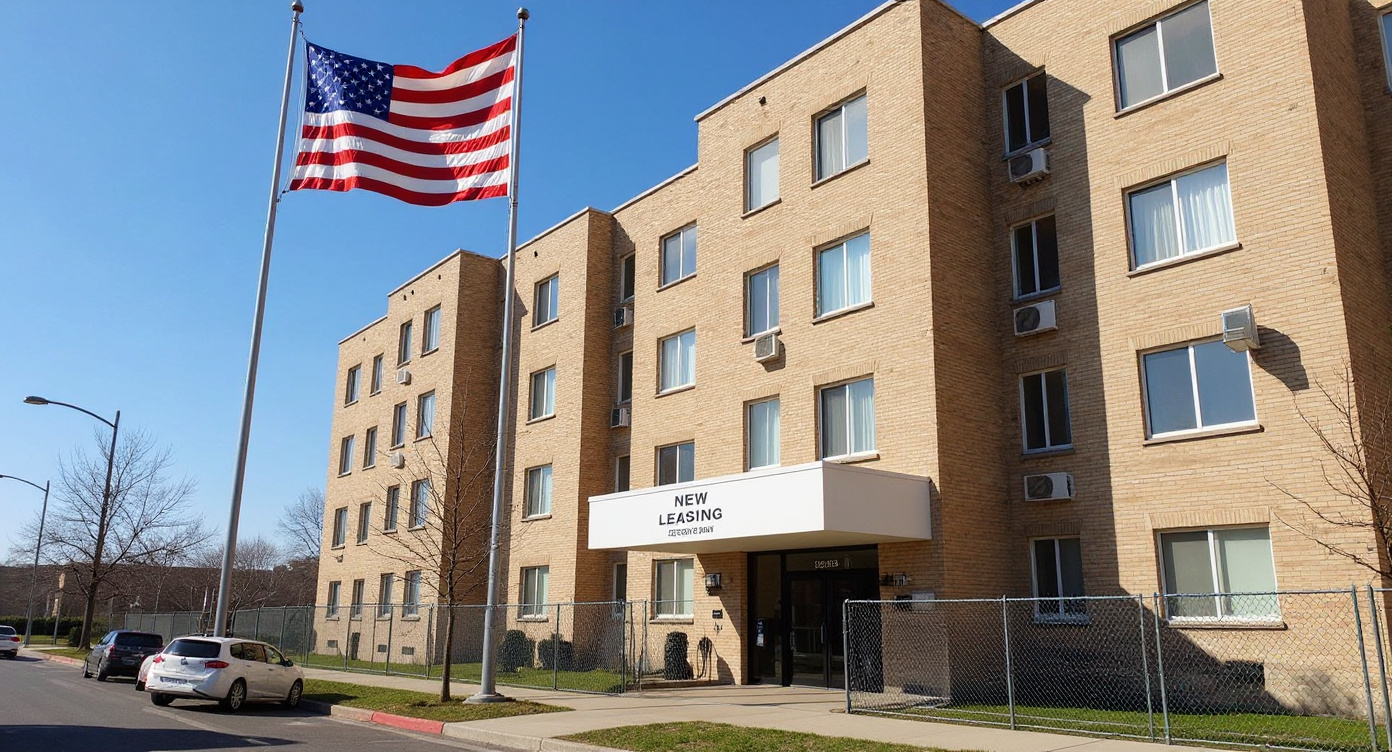
Nearly 6,000 tenants currently receiving federal public housing assistance are ineligible foreign nationals. Another 25,000 are deceased. Close to 200,000 lack the required eligibility verification entirely. Meanwhile, 8.9 million Americans live in HUD-supported public housing — and the waitlists to get in stretch for years.
The Trump administration just published a rule that says you have to prove you're allowed to be in the country before the country gives you an apartment.
HUD Secretary Scott Turner announced the new final rule, published in the Federal Register on November 12, 2026, and set to take effect December 14. The rule requires proof of citizenship or eligible immigration status for anyone receiving public housing assistance. Acceptable documents include a birth certificate, passport, or qualifying alternatives. Green card holders, refugees, and asylum grantees remain eligible — provided their status is verified. The Homeland Security Department will coordinate on immigration status checks.
"It's unacceptable that America's homeless veterans, disabled, elderly, and victims of domestic violence languish on waitlists while illegals and ineligibles scam our system," Turner said. "American taxpayers will no longer foot the bill. Promises made, promises kept."
The numbers Turner is working from came out of a HUD investigation published earlier this year by Just The News. The audit found the nearly 200,000 unverified tenants, the nearly 25,000 deceased recipients still on the rolls, and the nearly 6,000 foreign nationals who didn't qualify. The previous system allowed prorated assistance to continue indefinitely while verification remained "pending" — a status that, for thousands of tenants, never resolved. Under the new rule, prorated assistance becomes temporary. Verify or vacate.
The objection writes itself: this will hurt mixed-status families. But the rule doesn't evict anyone with legal status. It requires documentation that legal residents already possess. A green card is a qualifying document. Refugee papers are qualifying documents. The only people who can't produce proof of eligible status are people who don't have eligible status. The rule draws the line exactly where the law already drew it — HUD just stopped pretending the line wasn't there.
What the investigation revealed wasn't a few paperwork gaps. It was a system that had stopped asking questions. Nearly 200,000 tenants with no verification on file means nobody was checking. Twenty-five thousand deceased tenants still drawing benefits means nobody was cross-referencing death records. The fraud wasn't sophisticated. It didn't need to be. The front door was open.
Every unit occupied by someone who doesn't qualify is a unit unavailable to someone who does. Turner named them: veterans, disabled Americans, elderly residents, domestic violence survivors. Those are the people on the waitlists. Those are the people who've been told there's no room.
December 14. Sinty-two days from publication to enforcement. Birth certificate, passport, or equivalent. The waitlist starts moving.