
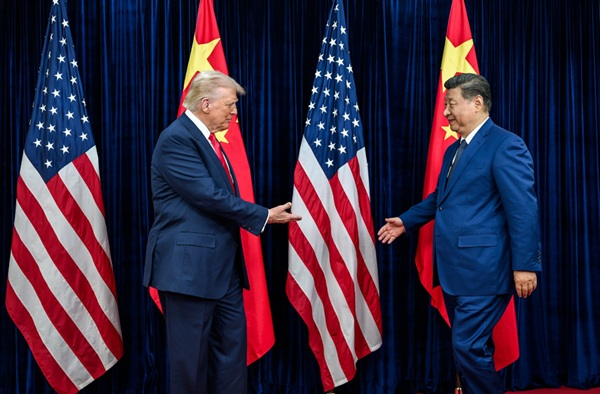
China just agreed to buy 10 million metric tons of American coal in 2027 and 2028. That's not a promise scribbled on a napkin at Davos. That's a line item in a $30 billion trade deal signed on September 26, 2026, between President Donald Trump and Chinese President Xi Jinping.
Four years of Biden's foreign policy couldn't produce a firm handshake with Beijing. Trump produced a fact sheet.
The deal covers a sweeping range of American exports: agricultural goods, wood products, fish and seafood, cosmetics, and medical devices. On the import side, tariff reductions hit small appliances, holiday decorations, toys, and children's car seats — the kind of goods that land directly in American shopping carts.
The agreement also establishes a new Board of Investment, designed to "discuss potential investment opportunities and investment-related impediments and to provide a structured channel for the two sides to address commercially meaningful investment-related issues." That's diplomat-speak for a permanent seat at the table where money gets made. The kind of institutional infrastructure that outlasts a single deal.
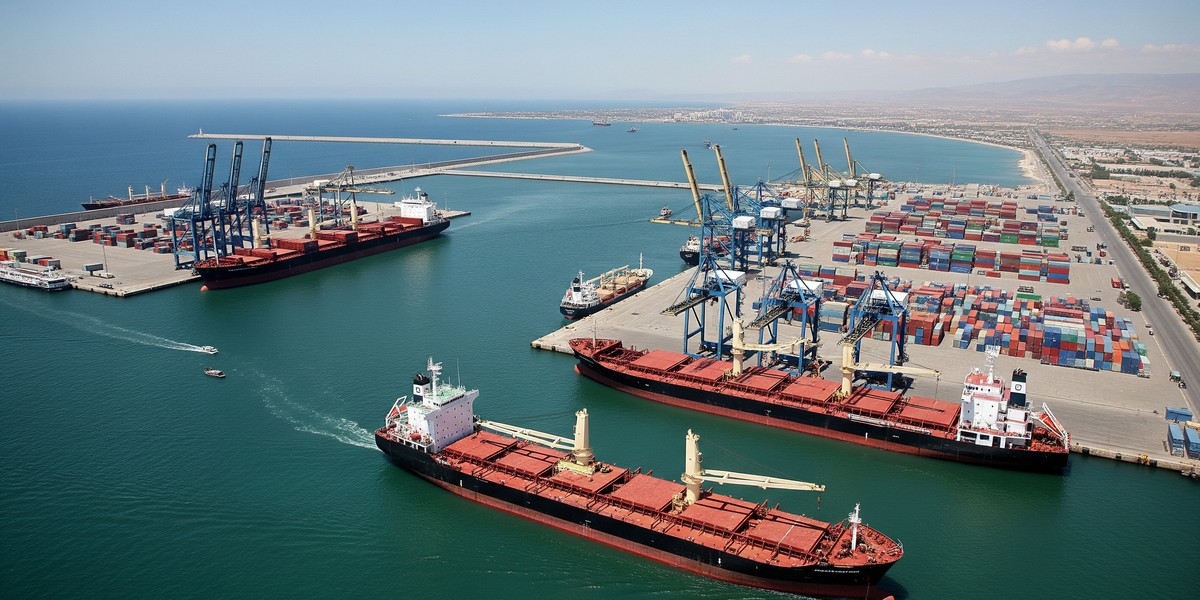
Coal is worth pausing on. Ten million metric tons is not a symbolic gesture. American coal producers — the ones the Obama and Biden administrations spent a combined twelve years trying to regulate into bankruptcy — just got a guaranteed buyer in the world's largest energy market. The same product Washington tried to kill, Beijing is now contractually obligated to purchase.
The political class spent years warning that Trump's tariff strategy would collapse into a trade war with no exit ramp. The tariffs were "reckless." The approach was "chaotic." The experts lined up on cable news to explain how real trade policy required multilateral frameworks and patient diplomacy — the kind that produced exactly zero enforceable commitments during the previous administration.
The $30 billion figure is the exit ramp. It didn't come from a multilateral framework. It came from leverage, applied directly, by a president who understood that tariffs aren't just punishment — they're a negotiating position. You make the cost of inaction higher than the cost of a deal, and eventually the other side sits down.
What's conspicuously absent from the coverage is any mention of what the Biden team accomplished with China during their four years. There's a reason for that. The diplomatic highlight reel includes a spy balloon drifting across the continental United States and a secretary of state who flew to Beijing and got photographed bowing.
American coal miners have a buyer. American farmers have expanded market access. American parents will pay less for car seats. The Board of Investment creates a direct channel to resolve future disputes before they escalate into the next round of retaliatory tariffs.
That's not a press release. That's $30 billion in writing.