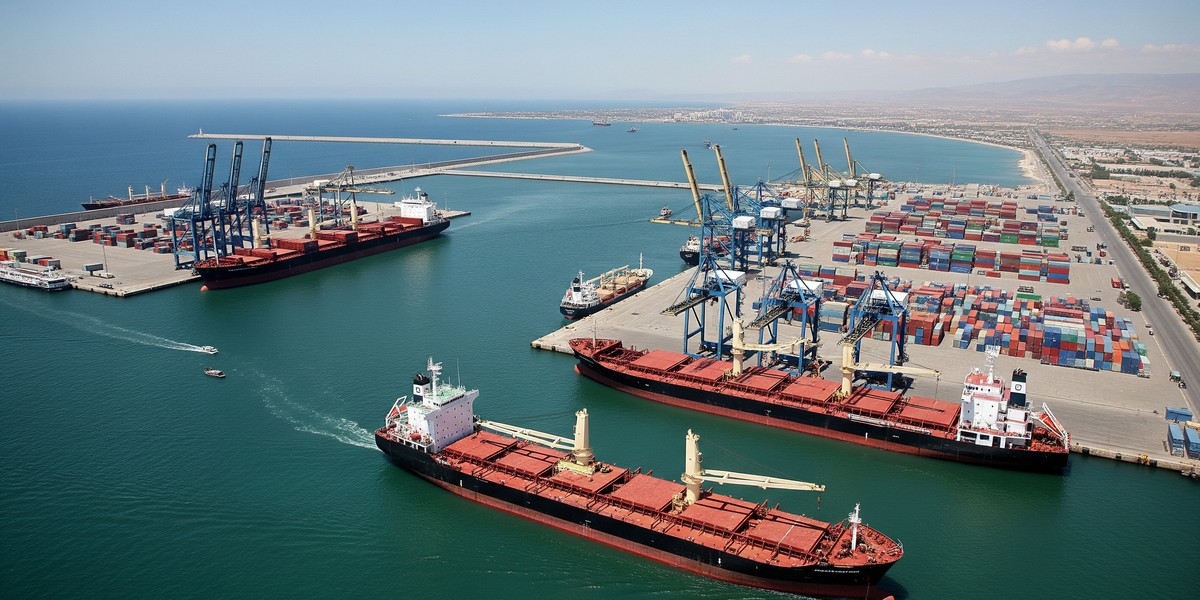

Three commercial tankers — flagged to Liberia, Saudi Arabia, and the Marshall Islands — were hit by Iranian forces in the Strait of Hormuz on Tuesday. One caught fire off the coast of Oman. The other two sustained damage but kept moving. Within hours, U.S. Central Command had launched precision strikes on more than 80 Iranian targets.
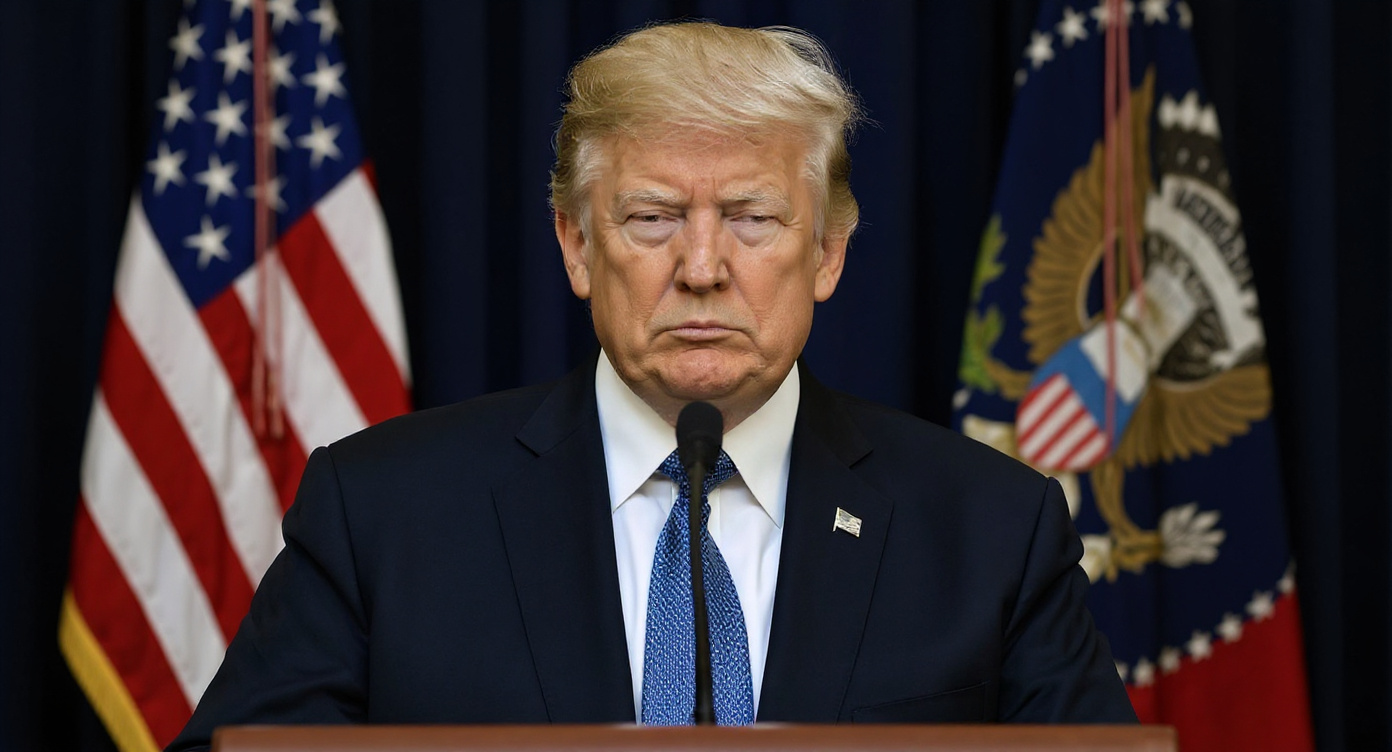
Then President Trump walked up to reporters at the NATO summit in Ankara, Turkey, and said what the entire free world was thinking: "They're scum, they're sick people, they're led by sick people, and they're vicious, violent people."
CENTCOM's target list reads like a tutorial in dismantling a hostile navy. Air Force jets and Navy tactical aircraft hit Iranian air defense systems, command and control networks, coastal radar sites, and anti-ship missile capabilities. More than 60 Islamic Revolutionary Guard Corps small boats were destroyed in and around the Strait of Hormuz — the waterway through which 20% of the world's oil transits. Port facilities at Bandar Abbas and a commercial pier at Sirik were also struck, with several people reportedly injured by shrapnel and transferred to a hospital in Minab.
The strikes came in direct retaliation for Iran's attacks on the three tankers. A U.S. official told CNN the response was "a direct result of the acts of international terrorism that have been perpetrated by Iran on innocent ships transiting the Strait of Hormuz. The Iranians know the consequences to their ridiculous actions, yet they still chose to carry out these attacks."
Trump didn't stop at the military response. The administration simultaneously revoked the temporary sanctions waiver on Iranian oil — effective immediately — and set July 17 as the deadline for winding down all Iranian oil sales. The original waiver wasn't set to expire until August 21. Iran's regime just lost its timeline and its leverage in the same 24-hour window.
NATO Secretary General Mark Rutte backed the strikes publicly. "I think it was absolutely necessary," Rutte said, "because when you have a ceasefire and Iran is basically violating the ceasefire." That's the head of NATO endorsing American military action against Iran on the record. Worth noting how different that sounds from the last four years of European hand-wringing.
Iran's Parliament Speaker Mohammad Bagher Qalibaf responded on X with the kind of bluster that plays well in Tehran and nowhere else: "The era of bullying and extortion is over. It leads nowhere. We don't fold." The Revolutionary Guard claimed a joint missile and drone operation against 85 U.S. military sites, including targets near the U.S. Fifth Fleet in Bahrain and Ali Al Salem Air Base in Kuwait. Missile alerts sounded in both countries early Wednesday.
Iran's Foreign Ministry issued a statement claiming that U.S. and Israeli actions had "rendered key and fundamental elements of the agreement to end the war ineffective." Which is an interesting way to describe a sequence of events that started with Iran attacking commercial shipping.
The cease-fire — sometimes called the Islamabad understanding — had been fragile since its signing in late June. A similar exchange of attacks occurred in late June, and Trump's special envoy Steve Witkoff and son-in-law Jared Kushner met with Qatari mediators in Doha but never sat down with Iranian negotiators directly. The difficult issues — Iran's nuclear program and its enriched uranium stockpile — remain unresolved.
Trump was blunt about the state of diplomacy. "For me, I think it's over," he told reporters, calling the negotiations "just a waste of time dealing with them." He added that talks could technically continue but left no ambiguity about his assessment of their value.
Oil markets reacted accordingly. Brent crude jumped 5.3% to $78.09 per barrel. West Texas Intermediate surged 5.4% to $74.23. Ninety percent of Iran's crude exports transit through Kharg Island, and with the sanctions waiver revoked, those exports now have an expiration date.
Iranian Army Chief of Staff Rear Admiral Habibollah Sayyari warned that "the enemy knows that if it makes such a mistake, it will enter a hell from which it will no longer have a way out." This, from the military that just watched 60 of its small boats get turned into debris in a single night.
The war with Iran began in February 2026 with U.S.-Israeli strikes. Every diplomatic off-ramp since then has ended the same way — with Tehran testing whether this administration responds to provocations the way the last one did. They keep getting the same answer.