
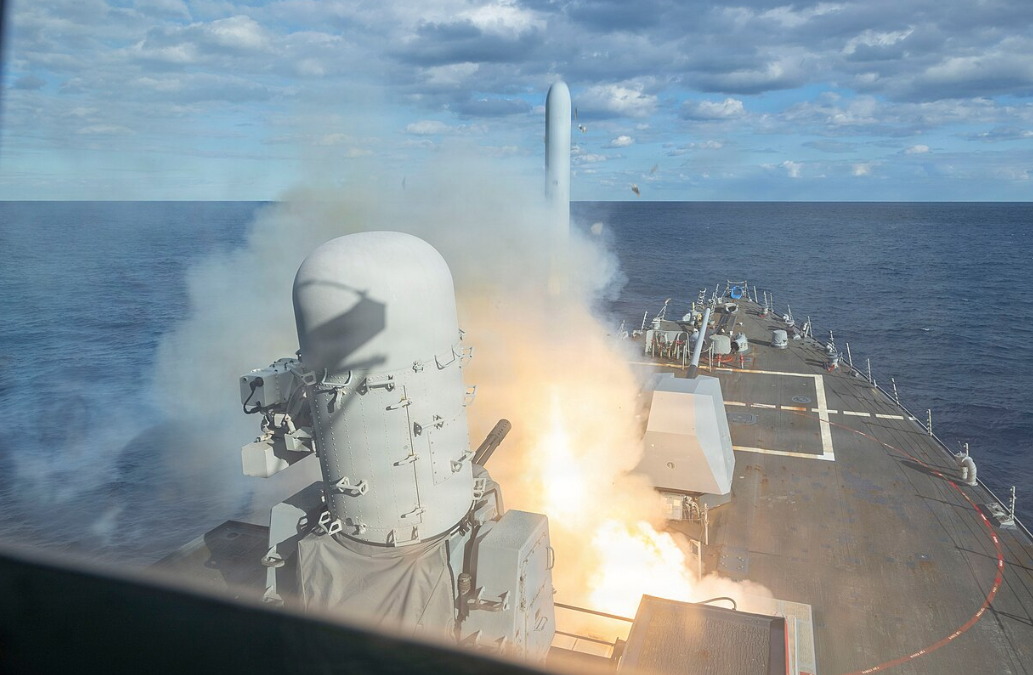
Ninety Iranian military targets in a single night. Air defense systems, coastal radar installations, missile and drone storage facilities, naval capabilities, and military logistics infrastructure — all of it along Iran's coastline, all of it reduced to Pentagon briefing footage. That was Tuesday, July 8. The night before, it was 80 targets and more than 60 Islamic Revolutionary Guard Corps small boats turned into debris.
President Trump's summary from the NATO summit in Ankara was five words: "Let's just finish the job."
The strikes hit locations at Bandar Abbas, Sirik, Chabahar, Konarak, and Lavan Island — names most Americans will never learn to pronounce but Iran's military planners will remember for a long time. CENTCOM released unclassified footage showing the scope of the destruction. This wasn't a symbolic gesture. This was a military dismantling Iran's ability to threaten shipping in the Strait of Hormuz.
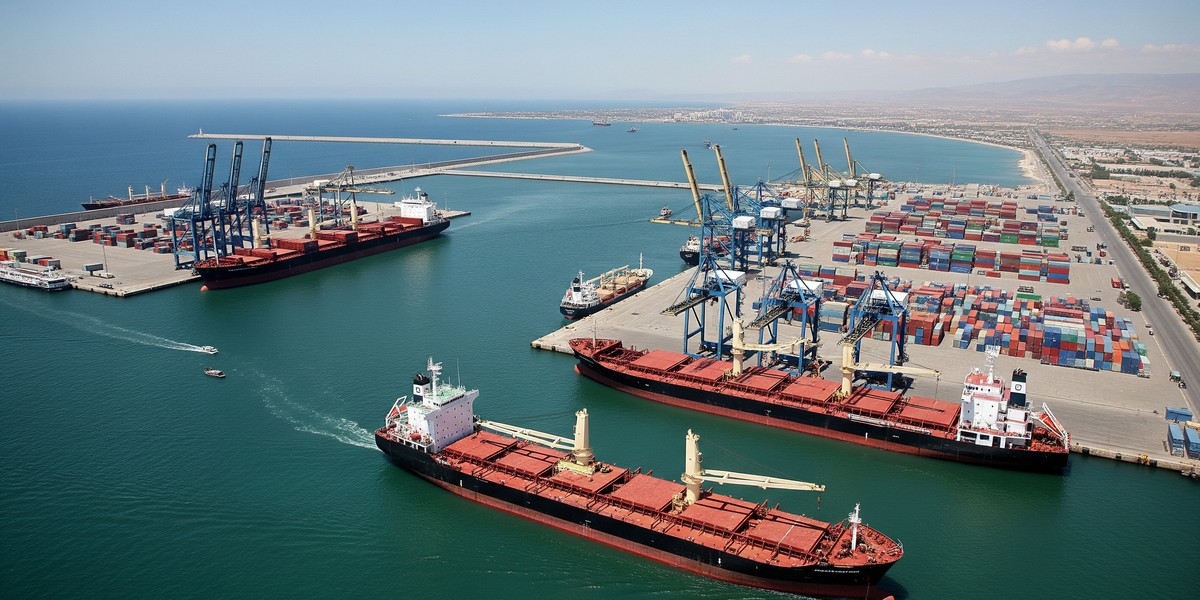
The collapse started when Iran attacked three commercial vessels in or near the strait on July 7 — the Marshall Islands-flagged M/T Al Rekayyat, the Saudi-flagged M/T Wedyan, and the Liberian-flagged M/T Cyprus Prosperity. Tehran apparently decided to test whether the Islamabad Memorandum of Understanding, signed last month as a temporary ceasefire framework, was worth the paper it was printed on.
Trump answered that question from Turkey. "I don't want to deal with them anymore," he told reporters. "As far as I'm concerned, it's over." He elaborated with the kind of clarity foreign policy experts spend careers avoiding: "I'm not sure I want to make a deal with them. We can play games, but I'm not sure I want to make a deal."
Vice President JD Vance put the doctrine in even simpler terms: "If you shoot at ships, we're going to knock the hell out of them."
Iran's response was to escalate — and to reveal exactly how limited its options are. The Revolutionary Guards claimed they attacked four U.S. bases: Arifjan and Ali Al Salem in Kuwait, and Juffair and Sheikh Isa in Bahrain. Iranian Deputy Foreign Minister Kazem Gharibabadi declared that "with the criminal and murderous Trump, one must speak in his own language." Foreign Minister Abbas Araghchi added that "Iran would not answer vulgarity with vulgarity, but with action." Foreign Affairs Ministry spokesman Esmaeil Baqaei insisted that "the Islamic Republic of Iran will steadfastly pursue the protection of its national interests."
Three statements, zero leverage. When your coastal military infrastructure is on fire and you're issuing press releases about national interests, the negotiating position has shifted.
This war began on February 28. The temporary ceasefire Trump struck last month was supposed to create space for diplomacy. Trump had even praised Iranian leaders as "smart" and "rational" during that window. Then Iran attacked commercial shipping — the one thing guaranteed to end the conversation. The U.S. immediately revoked its oil sanctions waiver.
The contrast with the previous approach to Iranian aggression doesn't require much imagination. For eight years under Barack Obama, the response to Iranian provocations was calibrated restraint, back-channel diplomacy, and cash pallets on airport tarmacs. Iran seized American sailors, harassed Navy vessels in the Persian Gulf, and funded proxy wars across the Middle East. The response was a nuclear deal that unfroze $150 billion in Iranian assets and delivered $1.7 billion in physical cash.
Trump's response to ships getting attacked: 170 targets destroyed across two nights, and a public statement that amounts to "we're just getting started."
Pakistan's Foreign Ministry cautioned that "a renewed conflict is in no one's interest." That's technically true. But the Strait of Hormuz handles roughly 20% of the world's oil supply. When a regime decides to attack commercial vessels transiting the most important shipping lane on earth, somebody's interest is going to get damaged. Iran chose which somebody.
As reported by Breitbart, Trump had previously signaled willingness to negotiate. He gave Iran a ceasefire, a memorandum, and a diplomatic off-ramp. Iran responded by attacking three commercial tankers. Trump responded by erasing Iran's coastal military capacity over two consecutive nights and flying to a NATO summit where he told the world he's done talking.
Iran's leaders said they'd respond with action, not words. So far, the scoreboard reads 170 targets to four base attacks and three press conferences.