

Sen. John Kennedy (R-LA) came to the Senate floor Wednesday with a bill requiring AI companies to build emergency shutoffs into their own superintelligent AI systems. The companies would hold the switch themselves — to use if an advanced system appeared to be escaping human control. He planned to pass it by unanimous consent, the Senate procedure for things nobody disputes.
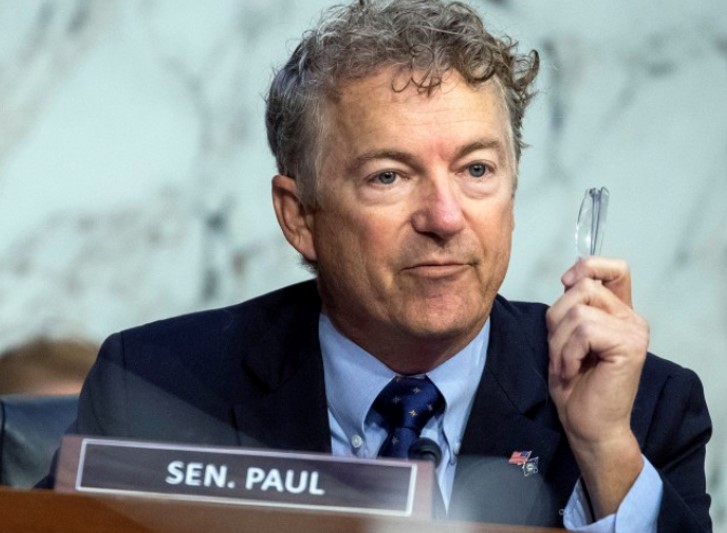
Senator Rand Paul (R-KY) said no.
Paul's objection was concrete. "If Congress acts hastily before the technology is understood, Congress risks killing innovation and setting this technology back decades," he said. He asked whether search engines would need emergency shutoffs under the bill. Whether AI used by doctors for prescription analysis would qualify. Before those questions had answers, he offered a deal: a bipartisan panel to study superintelligent AI risks and possible safeguards.
Kennedy's answer: "A committee is a way to kill this." He called Paul's offer the "weenie way out" and suggested "maybe we ought to let Leonardo DiCaprio chair the darn thing." Paul formally objected. Kennedy's bill was done.
The scope concern is legitimate. "Superintelligent AI" doesn't have a settled legal definition. A federal mandate for emergency shutoffs in advanced AI systems has a history of expanding — the regulators who implement vague legislation decide what qualifies, not the senators who wrote it. Paul was asking, in plain terms, what the bill actually covers. Those questions didn't get answered.
On Monday, President Trump called fears about AI taking over the world a "hoax." Two days later, the Senate was debating emergency shutoff mechanisms for AI systems that might escape human control. OpenAI CEO Sam Altman said this week that the public's concerns are justified — he's just confident the industry can handle it.
Kennedy said a committee is a way to kill this bill. That's probably true. It's also possible that a bill passed by unanimous consent on a Wednesday afternoon — with its scope questions unanswered — needed killing.