
President Trump announced Saturday that Iran has agreed to forgo nuclear weapons development, delivering in months what the entire Obama administration couldn't accomplish in eight years with $12 billion in frozen assets and a cargo plane full of unmarked bills. The difference? Trump negotiates with aircraft carriers. Obama negotiated with gift baskets.
"The one guarantee that I have to have is that there will be no nuclear weapons. They've agreed to that, and it was very interesting," Trump said. Interesting indeed.
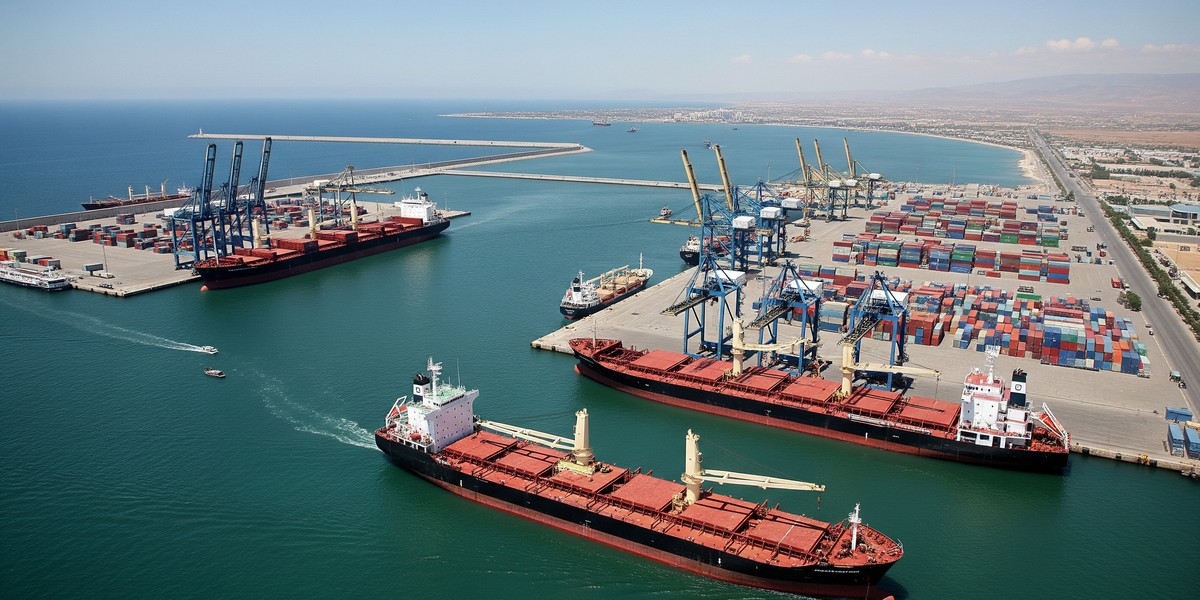
Let's set the table here. While the diplomatic talks have been ongoing, the U.S. military has been actively enforcing a maritime blockade around the Strait of Hormuz — one of the most critical shipping lanes on the planet. American forces struck the Iranian port of Bandar Abbas. They've disabled five commercial vessels attempting to breach the blockade. This isn't John Kerry sipping wine in Geneva. This is the United States telling Iran: we're not asking, we're informing.
The temporary ceasefire between Tehran and Washington struck back in April created space for Iran's chief negotiator, Mohammad Bagher Ghalibaf, to come to the table. But Ghalibaf is still playing to his home crowd, saying "We will not approve any agreement until we are certain that the rights of the Iranian people have been upheld." Translation: he needs to save face before signing on the dotted line.
Iran's Tasnim news agency echoed the hedge, noting that "no agreement has yet been finalised, and it is possible that any agreement will be rejected." Sure. That's what you say when the Navy is parked outside your ports and your economy is choking. You make noise about sovereignty while quietly accepting reality.
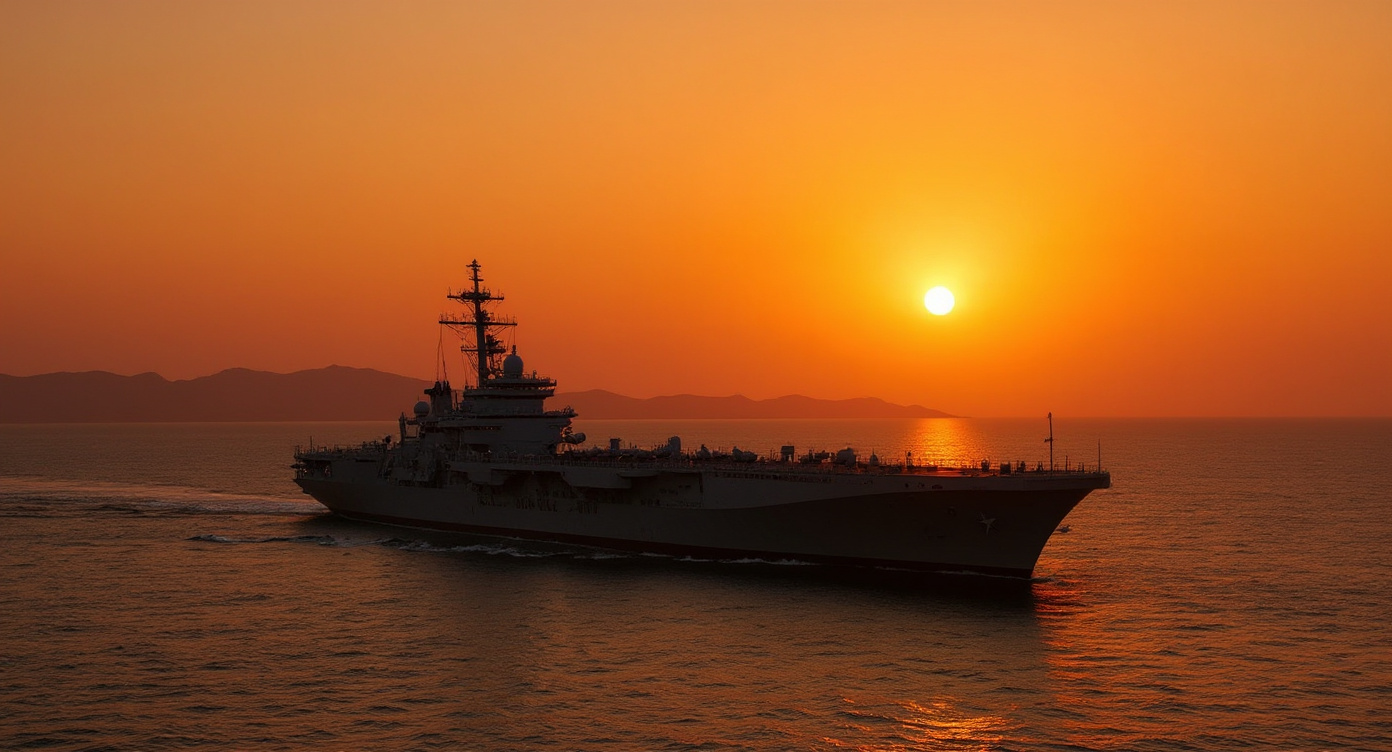
Here's what we know: Iran wants $12 billion in frozen assets released. That's their price. And unlike Obama — who would've wired the money before the ink dried — Trump has leverage. Real leverage. The kind that floats and carries fighter jets.
Contrast this with 2015. The Obama Iran deal gave Tehran billions, lifted sanctions, and got a pinky promise that they'd slow down enrichment for a few years. They cheated immediately. Everyone knew they would. Obama's team celebrated anyway because the goal was never stopping nukes — it was getting a Nobel-worthy headline.
Trump's approach is the opposite of sophisticated, and that's why it works. You don't negotiate with a regime that chants "Death to America" by offering concessions. You negotiate by making the alternative to agreement so painful that agreement becomes the only rational choice. Blockade their ports. Disable their ships. Crater their infrastructure. Then sit down and say, "So about those nukes."
Meanwhile, the broader Middle East picture tells the same story of peace through strength. Israeli Prime Minister Benjamin Netanyahu's forces captured the medieval fortress of Beaufort in southern Lebanon. "The capture of Beaufort is a dramatic stage and a dramatic shift in the policy we are leading," Netanyahu said. Israel issued evacuation orders 40 kilometres from the border. Hezbollah — Iran's proxy — is getting squeezed from every direction.
This is what happens when America leads instead of apologizes. Iran's proxies collapse. Their ports get blockaded. Their negotiators show up at the table instead of the centrifuge room.
As reported by Newsmax, Trump delivered this announcement on May 31, 2026 — the same day the world was supposed to believe Iran could never be contained without appeasement. Turns out all you needed was a president willing to use the military we already paid for.
Obama sent pallets of cash and got lied to. Trump sent the Navy and got a nuclear commitment. History doesn't repeat, but it sure does keep score.