
Iran's Supreme National Security Council issued a six-point ultimatum to the United States last weekend, laying out its conditions for reopening the Strait of Hormuz. Twenty-four hours later, President Trump didn't just reject every single point — he announced he is now demanding compensation from Iran in all future negotiations.
That's not a counter-offer. That's a receipt.
Trump posted his response on Truth Social: "I see that Representatives of the Islamic Republic of Iran are asking for compensation." Then the turn. He said he is "now likewise demanding compensation from Iran, for all of the people that they have killed." He went further, saying "Iran should be responsible for the damages and death caused to the people of Lebanon, Syria, Yemen" — a direct reference to decades of Iranian proxy warfare across the region.
Mohammad Bagher Zolghadr, Secretary of Iran's Supreme National Security Council, tried to project strength after the rejection: "The Supreme National Security Council will never give up, whether in war or negotiations." Iranian Foreign Ministry Spokesman Esmaeil Baghaei added that "as long as the U.S. naval blockade continues, the necessary conditions for reopening the Strait of Hormuz do not exist."
Bold words from a country whose negotiating position is collapsing by the day.
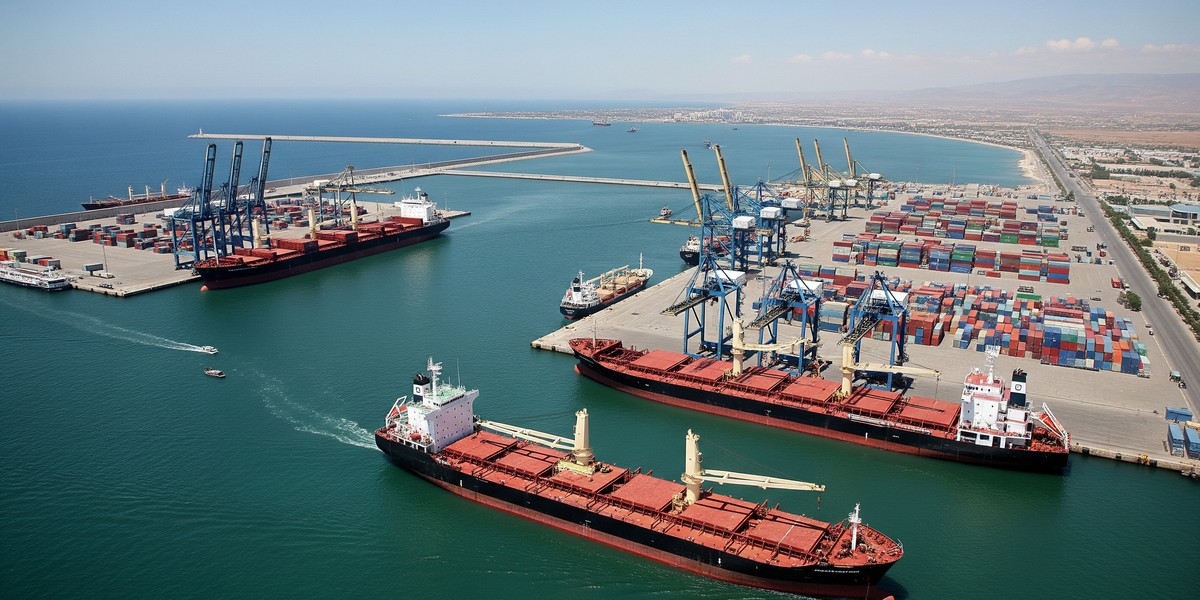
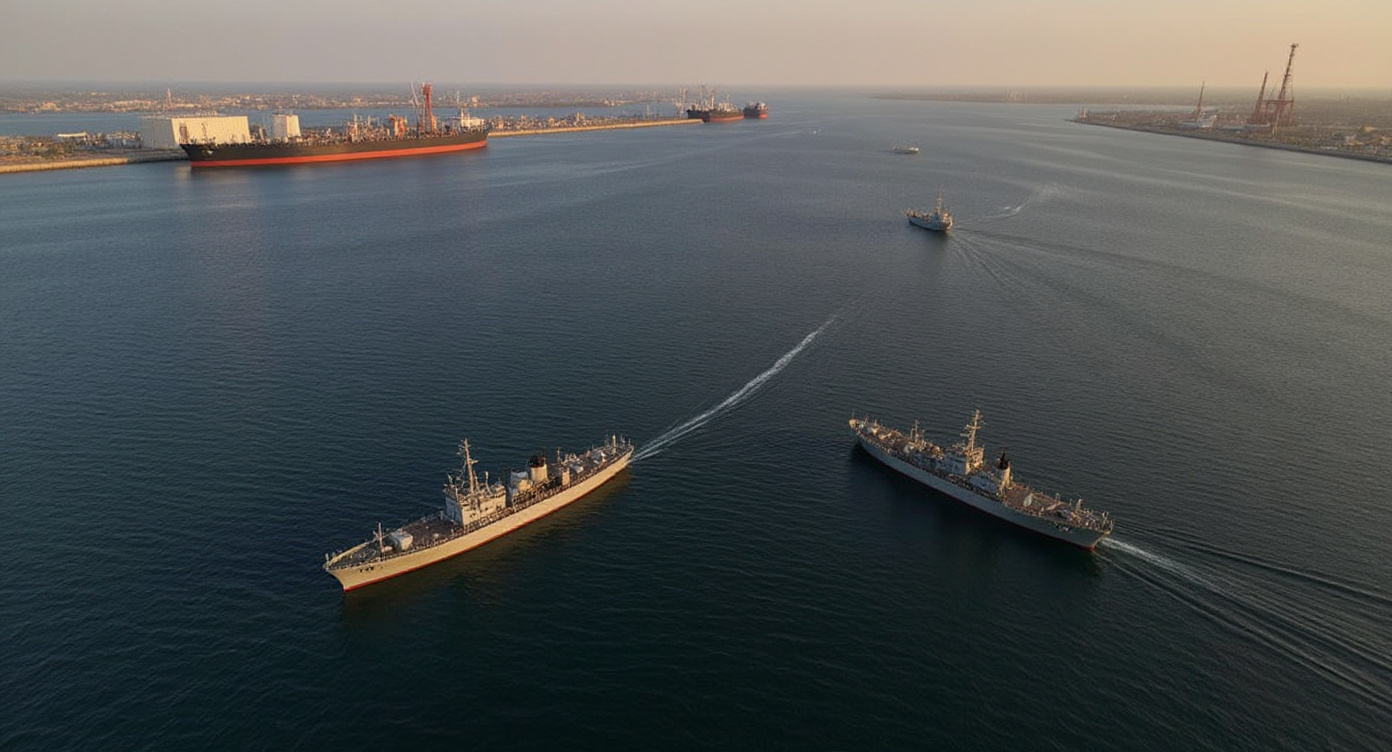
The numbers tell the real story. After five months of military conflict, an estimated 52,000 Iranians have been killed. The U.S. has more than 20 warships stationed in the Middle East. U.S. Central Command has redirected 55 commercial vessels, disabled two, and boarded two more as of August 9. And the maritime intelligence firm Kpler tracked commercial crossings through the Strait of Hormuz dropping from 15 on Friday to 11 on Saturday to just 6 on Sunday.
Iranian Foreign Minister Abbas Araghchi tried to downplay the situation, describing contacts between the two countries as an "exchange of messages" through intermediaries. Trump wasn't interested in the euphemism. "We are low-keying it," he told Axios. "We are only semi-negotiating with them." Semi-negotiating — the diplomatic equivalent of checking your phone while someone pitches you.
Iran's strategy appears to be: issue demands from a position of catastrophic weakness, then act offended when those demands are ignored. They closed the Strait. The U.S. didn't panic — it parked a fleet there and started redirecting traffic. They issued an ultimatum. Trump added a line item. Every escalation Iran attempts gets absorbed and returned with interest.
The six-point ultimatum was supposed to be a show of force. A demonstration that Iran still has leverage, still has cards to play, still matters at the table. What it demonstrated instead is that Iran's leadership is writing checks its military and economy can no longer cash. You don't send a list of demands to the country that has 20 warships parked off your coast unless you've run out of better options.