
Louisiana filed a 72-page complaint against the FDA. The Fifth Circuit Court of Appeals just answered it — with a nationwide freeze on the agency's 2023 expansion of mifepristone access that allowed telehealth prescribing and mail-order dispensing of abortion pills.
In-person dispensing requirements are back. The left's favorite end-run around Dobbs just hit a wall.
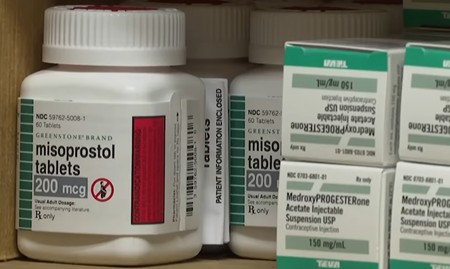
The FDA changed its Risk Evaluation and Mitigation Strategy for mifepristone in 2023, eliminating the requirement that women obtain the drug in person from a certified provider. Under the new rules, a telehealth appointment and a mailbox were all it took. Louisiana's lawsuit argued the agency had effectively overridden state-level abortion restrictions by federalizing pill distribution — and the Fifth Circuit agreed that the challenge had enough merit to freeze the policy while litigation proceeds.
The case didn't materialize from thin air. Louisiana's complaint detailed six cases of women who were allegedly harmed by abortion medications, including two women whose emergency complications in 2025 generated $92,000 in Medicaid bills. That's taxpayer money covering the fallout from a policy the FDA implemented without meaningful safety review.
Twenty-one attorneys general filed briefs supporting Louisiana's position. So did 60 members of Congress. That's not a fringe legal theory. That's a majority of state-level law enforcement executives saying the FDA overstepped.
The FDA's defense amounted to a familiar argument: the agency has the authority to regulate drug access nationally, and states can't override federal decisions about pharmaceutical availability. The problem with that position is that it assumes the 2023 rule change was a legitimate regulatory action in the first place. Louisiana's complaint treats it as what it was — a political decision dressed up in administrative procedure, designed to nullify the practical effect of Dobbs by making abortion pills as easy to obtain as a Netflix password.
Plaintiff Rosalie Markezich joined the case as an individual harmed by the policy. Her inclusion matters because it grounds the lawsuit in actual consequences rather than abstract legal theory. The Fifth Circuit didn't freeze a hypothetical — it froze a policy with documented casualties.
The Dobbs decision returned abortion regulation to the states. Within months, the FDA had built a federal pipeline that bypassed every state law on the books. Telehealth prescriptions from out-of-state providers, pills shipped through the postal service, no in-person medical evaluation required. Twenty-three states passed or enforced abortion restrictions after Dobbs. The FDA's 2023 rule rendered most of them advisory.
Six women harmed. Ninety-two thousand dollars in emergency Medicaid costs. Twenty-one attorneys general. Sixty members of Congress. A 72-page complaint.
The Fifth Circuit read it. The FDA might want to do the same.