
In April 2023, DEA agents in Albuquerque stopped a vehicle tied to a fentanyl investigation. There was a child inside.
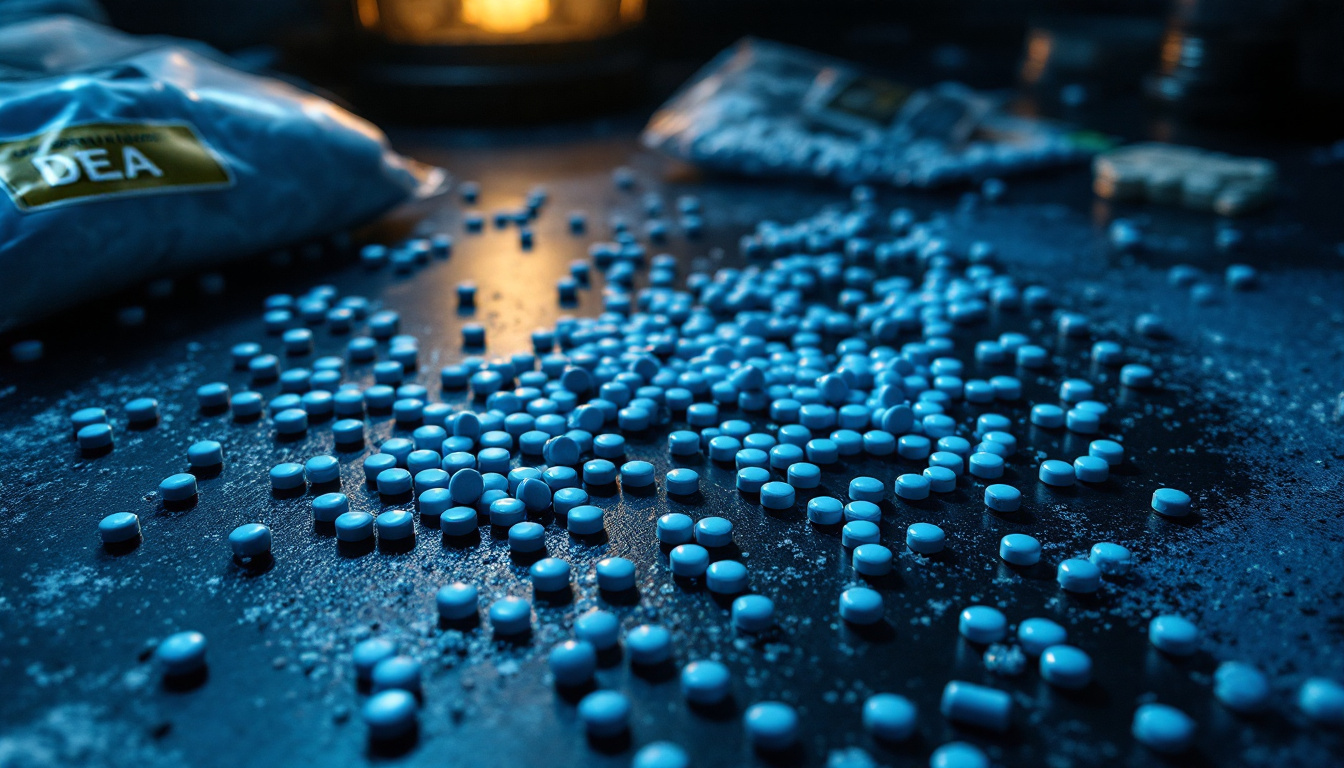
Under the seat where the child was sitting, in a hidden compartment, agents found between 6,000 and 7,000 fentanyl pills and a loaded handgun.
Special Agent David Howell was there. "We knew we weren't going to let the drugs hit the streets or go to the house when we knew the kid was in the car," he told CBS News this week. "We took his drugs. We took his gun. It was in a little compartment underneath the seat that the child was sitting on."
He figured the federal prosecutors would be pleased.
"Instead, they brought us into their office and chastised us," Howell said. "They were perfectly willing to allow that fentanyl to go to the house with the kid."
The agents had pulled thousands of lethal doses and a loaded gun out from under a child, and prosecutors treated them like they had blown the case.
Howell, a 20-year DEA veteran, has spent three years trying to get someone to listen. This week he went on national television.
"For three years, I've told my DEA managers that we're allowing dangerous amounts of fentanyl to hit the street, and we're doing nothing to stop it, and they didn't listen to me," he said.
The tactic is called letting drugs "walk." Agents know a shipment is coming, watch it go by, and hope it leads to someone bigger. Police have used controlled deliveries for decades, and Howell isn't against the idea. His objection is that the DEA started doing it with fentanyl.
"We at the DEA have let drugs hit the street, yes," Howell said. "The difference was we were told not to with fentanyl."
There's a reason for that rule. Miss a cocaine shipment, and people get high. Miss a fentanyl shipment, and people die.
In New Mexico, agents missed a lot of them, on purpose. According to an internal DEA report, agents knew a 74,000-pill delivery was headed for an Albuquerque mobile home park and let it go. Howell says the pills were sold that night. When he objected, his supervisors told him: "The investigation comes first."
The federal prosecutor running New Mexico's cases at the time, Biden-appointed U.S. Attorney Alex Uballez, defended the approach: "The bigger fish are worth catching, and that will save more lives."
The rules made it possible. In 2017, President Trump's first Justice Department required agents to seize fentanyl "as soon as practicable." In June 2024, Joe Biden's Justice Department rewrote the rules to give agents and prosecutors more "discretion."
New Mexico's Democratic attorney general, Raúl Torrez, has sued the federal government over the practice. "There's no escaping the conclusion that New Mexico moving in the wrong direction seems to be directly connected to this practice of walking fentanyl in this community," he said. Bernalillo County, which includes Albuquerque, has declared a state of emergency over rising fentanyl overdoses.
Howell paid for speaking up. He was sent to El Paso, pulled off active cases, given worse reviews and denied surveillance equipment. He's been doing surveillance with his own iPhone.
The cleanup has started. After the Associated Press first reported Howell's complaint, Trump's DEA Administrator, Terrance Cole, asked the Justice Department's Inspector General to investigate, including how the agency treated Howell. That review is underway. Howell's lawyers want the 2017 rule back: seize the fentanyl.
"Our city is being destroyed by this drug," Howell said. "That's why we're sitting here, and that's what I'm here to tell the people."
A DEA agent took 7,000 fentanyl pills and a loaded gun out from under a child, and prosecutors chewed him out for it. Three years later, he's the one telling the country what happened.