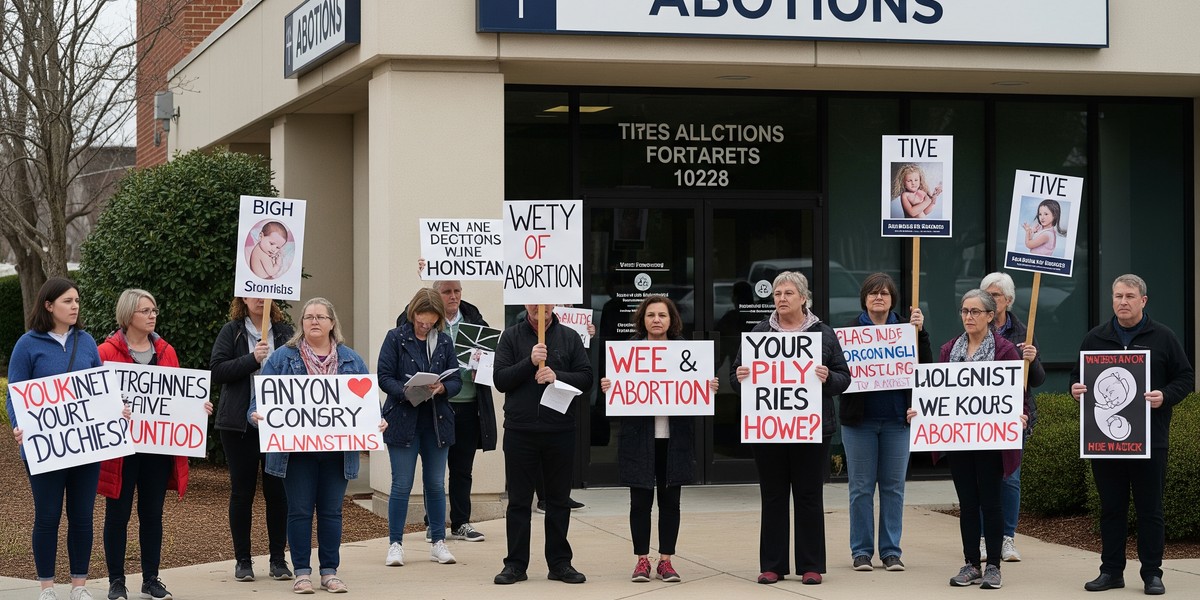

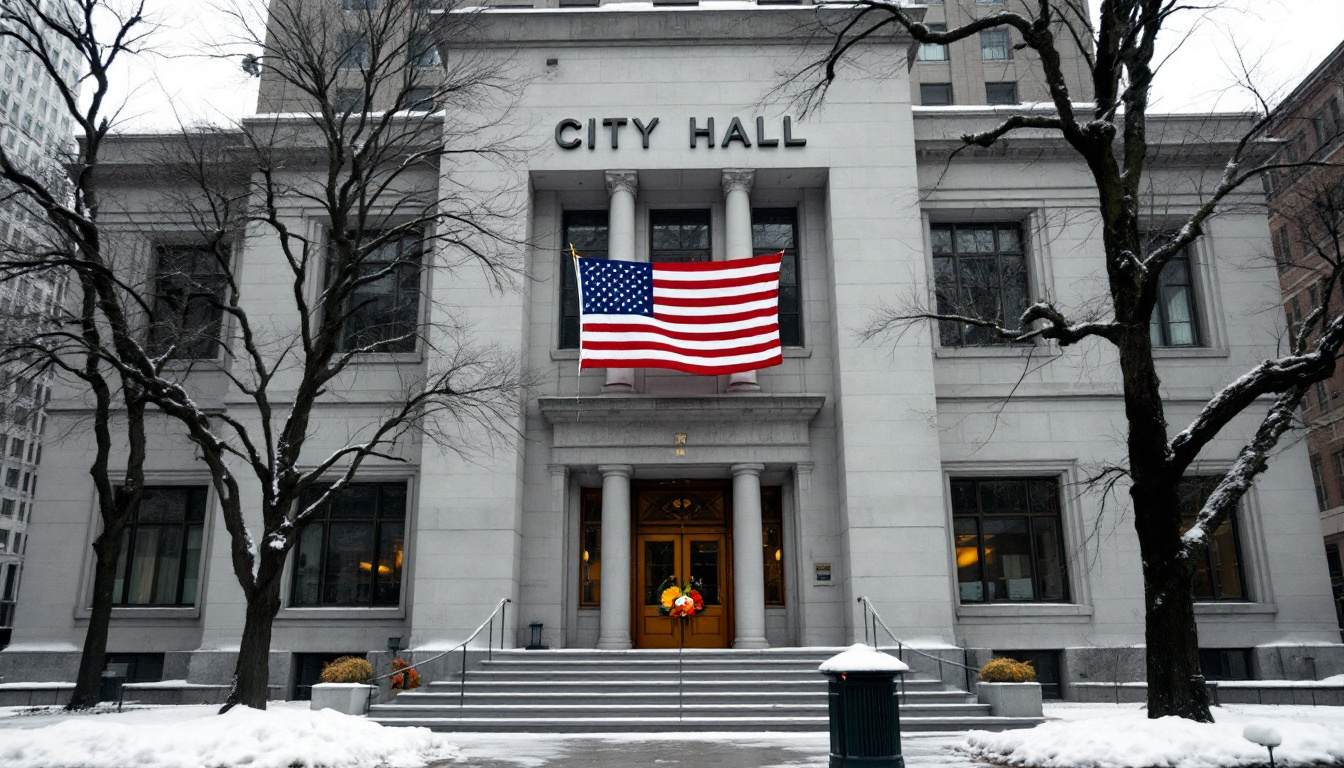
The Boston City Council passed a resolution — unanimously, by voice vote — declaring the fourth Thursday of November a "National Day of Mourning" instead of Thanksgiving. Council member Benjamin Weber introduced the measure on behalf of his constituents, and not a single colleague objected.
They did this earlier this month. While you were buying a turkey.
The resolution's language reads like a graduate seminar that escaped into municipal government. It states that "the colonization of North America by European settlers led to the systematic dispossession of Indigenous peoples' lives, lands, languages, and cultures." It goes on to mark what it calls "English colonists' invasion of Wampanoag homelands" — the same event most Americans know as the 1621 harvest celebration that became Thanksgiving.
The full text of the resolved clause is worth reading in its entirety: "That the Boston City Council recognizes the National Day of Mourning and joins our Indigenous residents who mourn the loss of Indigenous life and culture." Weber framed this as giving voice to his constituents. The council framed it as solidarity. What it actually does is declare a 405-year-old national tradition an act of violence — from the city where the American Revolution started.
The resolution doesn't carry legal weight. It won't close schools or cancel city operations. It's symbolic. But that's the point — the symbolism is the product. The council didn't pass a funding bill for Indigenous communities. They didn't allocate resources, expand services, or do anything that requires a budget line. They passed a press release with a vote attached.
The "National Day of Mourning" concept isn't new. It dates back to 1970, when Indigenous activists in Massachusetts first organized counter-observances on Thanksgiving. For decades it remained a grassroots expression of dissent — people choosing their own way to mark the day. What's different now is elected officials adopting the frame as official government position, converting a protest into policy language.
Boston isn't operating in a vacuum. Former Democratic Wisconsin gubernatorial candidate Francesca Hong went viral in 2020 for calling on Americans to "cancel Thanksgiving" and "stop celebrating colonialism." Wisconsin's governor-elect David Crowley takes office in January. The pattern is consistent: progressive officials treat Thanksgiving not as a holiday to reform or supplement, but as one to rename. The goal isn't addition. It's replacement.
The resolution passed without debate, without dissent, and without any apparent awareness of the calendar. As reported by Just The News, the council voted earlier this month — close enough to the holiday that grocery stores were already stacking cranberry sauce. The timing converts a symbolic gesture into something that feels deliberately aimed at the people it's supposed to represent.
Weber's resolution acknowledges "systematic dispossession." It does not acknowledge that the city of Boston sits on roughly $400 billion in taxable real estate. If the dispossession is real, the resolution is the cheapest possible response to it — a document that costs nothing, changes nothing, and asks nothing of the people who voted for it.
A unanimous voice vote. No debate. The week families start driving home.