
A recent lawsuit filed by a transgender TSA officer is raising new questions about workplace rights, federal policies, and how the government defines sex and gender. The case is likely to fuel debate about the balance between individual liberties and the federal government’s interest in public safety and clear operating procedures.
Danielle Mittereder, a transgender woman who works as a Transportation Security Administration (TSA) officer at Dulles International Airport in Virginia, filed a federal lawsuit against the Department of Homeland Security (DHS). She claims that a new TSA policy discriminates against transgender officers like herself by limiting their job duties and opportunities for advancement.
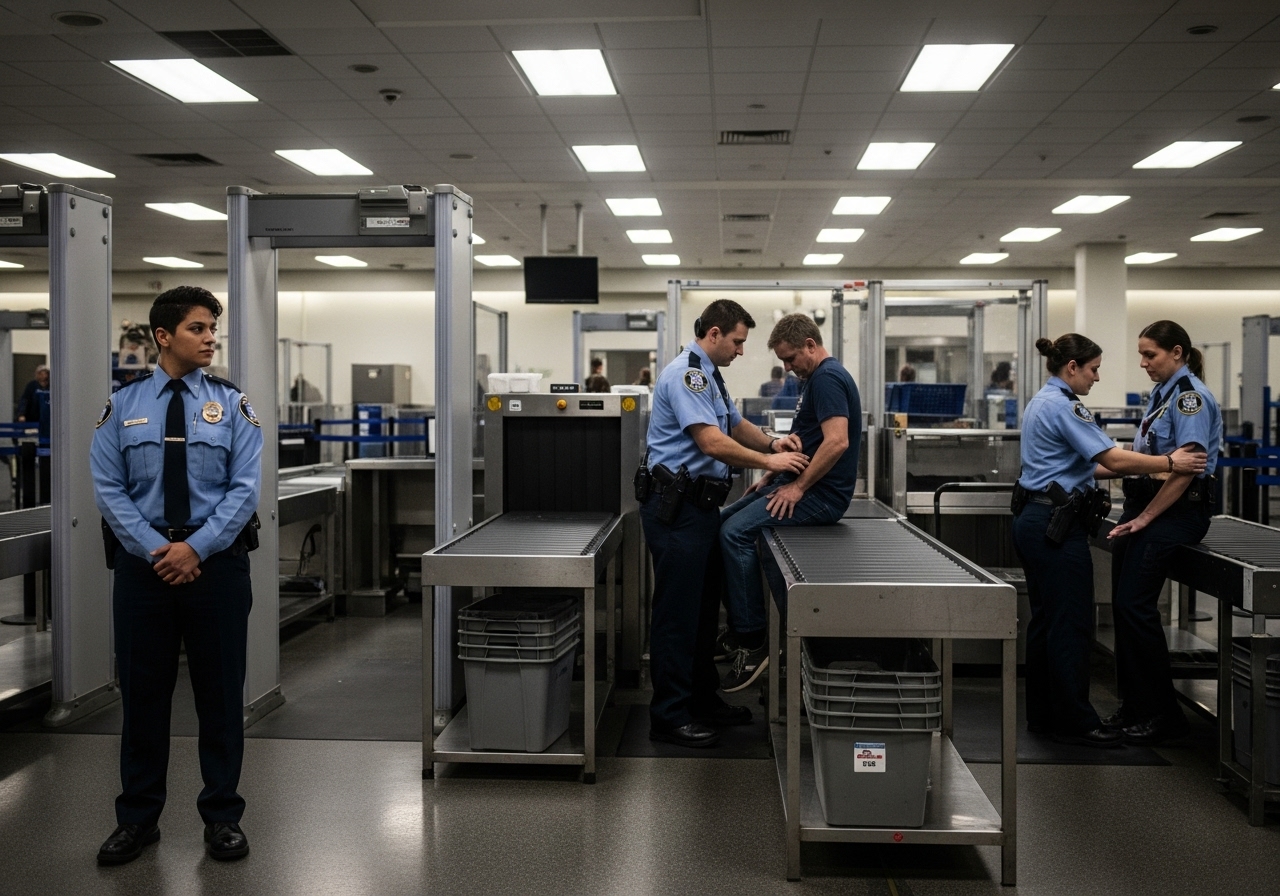
The policy in question was put in place in response to a January 2025 executive order signed by President Donald Trump. That order, titled “Defending Women From Gender Ideology Extremism and Restoring Biological Truth to the Federal Government,” states that federal agencies must define sex based on biological reality—male and female—determined at conception. In line with that directive, TSA now requires that only male officers perform pat-downs on male passengers, and only female officers perform pat-downs on female passengers. This rule applies regardless of the officer’s gender identity or transition status.
Until earlier this year, the TSA had followed a policy that allowed officers to conduct pat-downs based on their self-identified gender. That policy, created in 2021 under a different administration, had aimed to be more inclusive of transgender workers. But under the new rule, which aligns with the current administration’s focus on biological definitions of sex, roles are assigned strictly based on biological sex.
Mittereder’s lawsuit argues that the rule change violates her civil rights. She states that she is now blocked from performing key parts of her job, such as conducting pat-downs or serving as a witness during private screenings. The complaint also says she cannot use the women’s restroom at work and that these restrictions are hurting her chances of getting promoted or receiving special certifications.
Her lawyer, Jonathan Puth, said the policy is “terribly demeaning and 100% illegal.” He claims that the federal government is singling out transgender workers and treating them unfairly compared to their colleagues.
However, the Department of Homeland Security disagrees. A spokesperson for DHS defended the policy, saying it is designed to protect the comfort and safety of travelers. “Does the AP want female travelers to be subjected to pat-downs by male TSA officers?” said DHS spokesperson Tricia McLaughlin. She added that the idea of prioritizing gender identity over biological sex is “useless and fundamentally dangerous.”
This policy change has sparked a wider discussion about how federal agencies should handle sex and gender issues in the workplace. On one hand, supporters of the new rule argue that it protects the privacy and comfort of passengers, especially women, by ensuring they are only touched by officers of the same biological sex. Critics, however, believe the rule is unfair to transgender workers and goes against the spirit of equal employment laws.
From a legal perspective, the case could test how far civil rights protections extend when it comes to gender identity in federal employment. Title VII of the Civil Rights Act of 1964 prohibits sex discrimination in the workplace. But courts have been divided on how this applies to transgender individuals, particularly in federal jobs where national safety and operational standards are at play.
This lawsuit also touches on broader issues of states’ rights and the limits of federal power. While private employers and some state governments have moved toward more inclusive policies, the federal government under the current administration is taking a different path—one grounded in traditional definitions of sex.
As the case moves forward, it will likely draw national attention. It could set a precedent for how federal agencies handle gender identity in the future, especially in jobs tied to public safety and national security. For now, the lawsuit highlights the ongoing tension between individual rights and government policy in a fast-changing cultural and legal environment.