
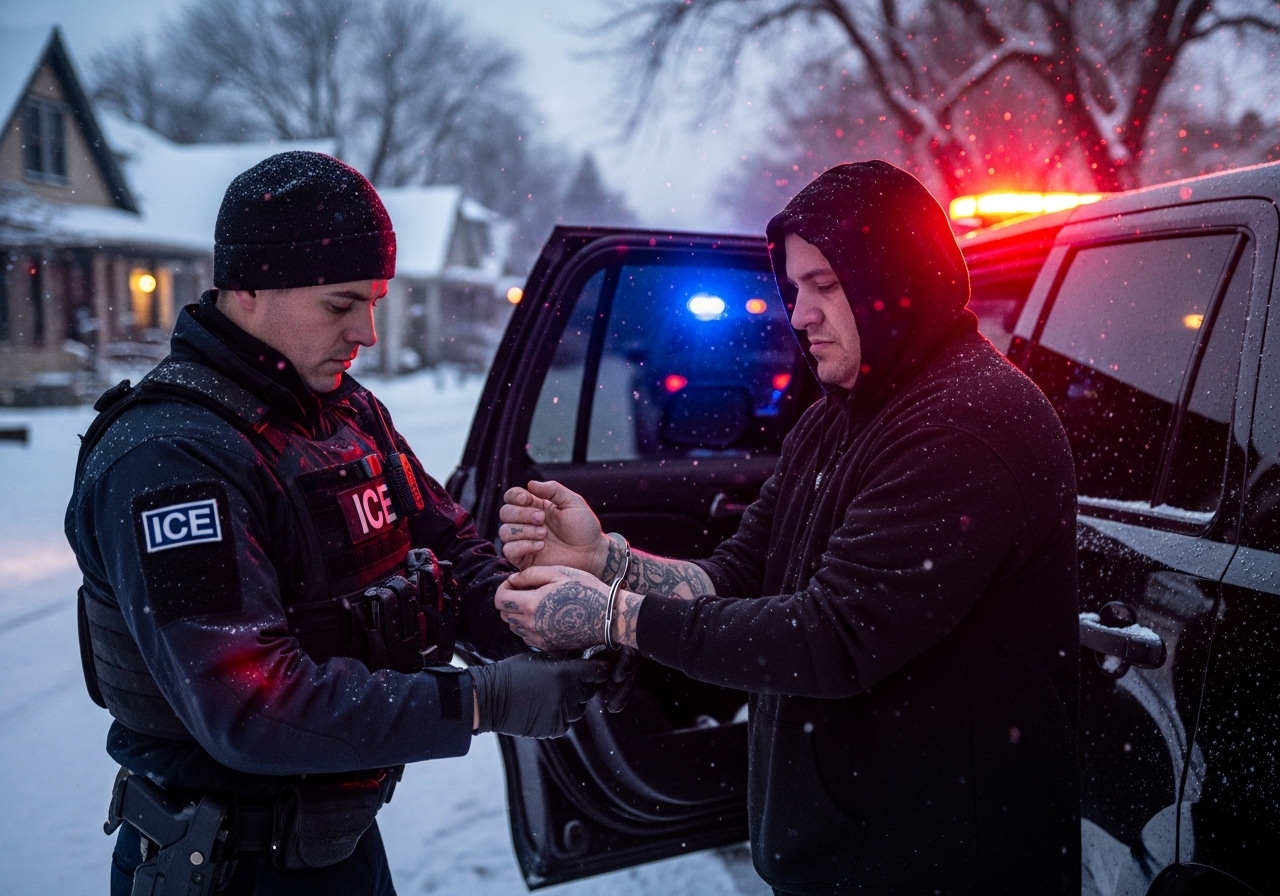
The Department of Homeland Security (DHS) has arrested at least a dozen illegal immigrants with serious criminal records in Minneapolis, Minnesota. This action was part of a federal effort known as Operation Metro Surge, led by U.S. Immigration and Customs Enforcement (ICE). The arrested individuals include people convicted of crimes such as child sex abuse, domestic violence, gang activity, and weapons charges.
These arrests highlight an ongoing debate in the United States over how immigration laws should be enforced and what role local governments should play. DHS officials say that “sanctuary” policies in cities like Minneapolis allow dangerous individuals to stay in the country and commit more crimes. These sanctuary policies often prevent local law enforcement from working with federal immigration agents.
Tricia McLaughlin, Assistant Secretary at DHS, said that ICE agents are risking their safety to protect Minnesotans. She pointed the blame at local leaders like Governor Tim Walz and Minneapolis Mayor Jacob Frey, saying their policies have allowed criminals to walk free. According to McLaughlin, “ICE will find, arrest, and deport ALL criminal illegal aliens.”
Among those arrested were 12 individuals from countries including Somalia, Mexico, and El Salvador. The list includes five Somali nationals, six Mexicans, and one Salvadoran. Many of them had long criminal histories.
One of the most notable arrests was Abdulkadir Sharif Abdi, a Somali national and a known gang member. He has been part of both the Gangster Disciples and the Vice Lord Nation gangs. Abdi has been convicted of multiple crimes, including fraud, theft, and violating probation.
Other arrests included Sahal Osman Shidane and Mukthar Mohamed Ali, both from Somalia. Shidane had been convicted of sexually abusing a minor between the ages of 13 and 15. Ali faced charges for assault, robbery, and fraud. Two Mexican nationals were also arrested for felony-level crimes, including smuggling other illegal immigrants and committing aggravated assault.
In addition to the ICE operation, the U.S. Department of Justice recently filed new federal charges against Abdimahat Bille Mohamed, a Somali national living in Minnesota. He is accused of kidnapping and raping a woman he met on Snapchat. Mohamed had previously been convicted of other sexual assaults but was released from custody under a plea deal, avoiding prison time. Attorney General Pam Bondi criticized the decision to release him, saying he went on to commit another violent crime.
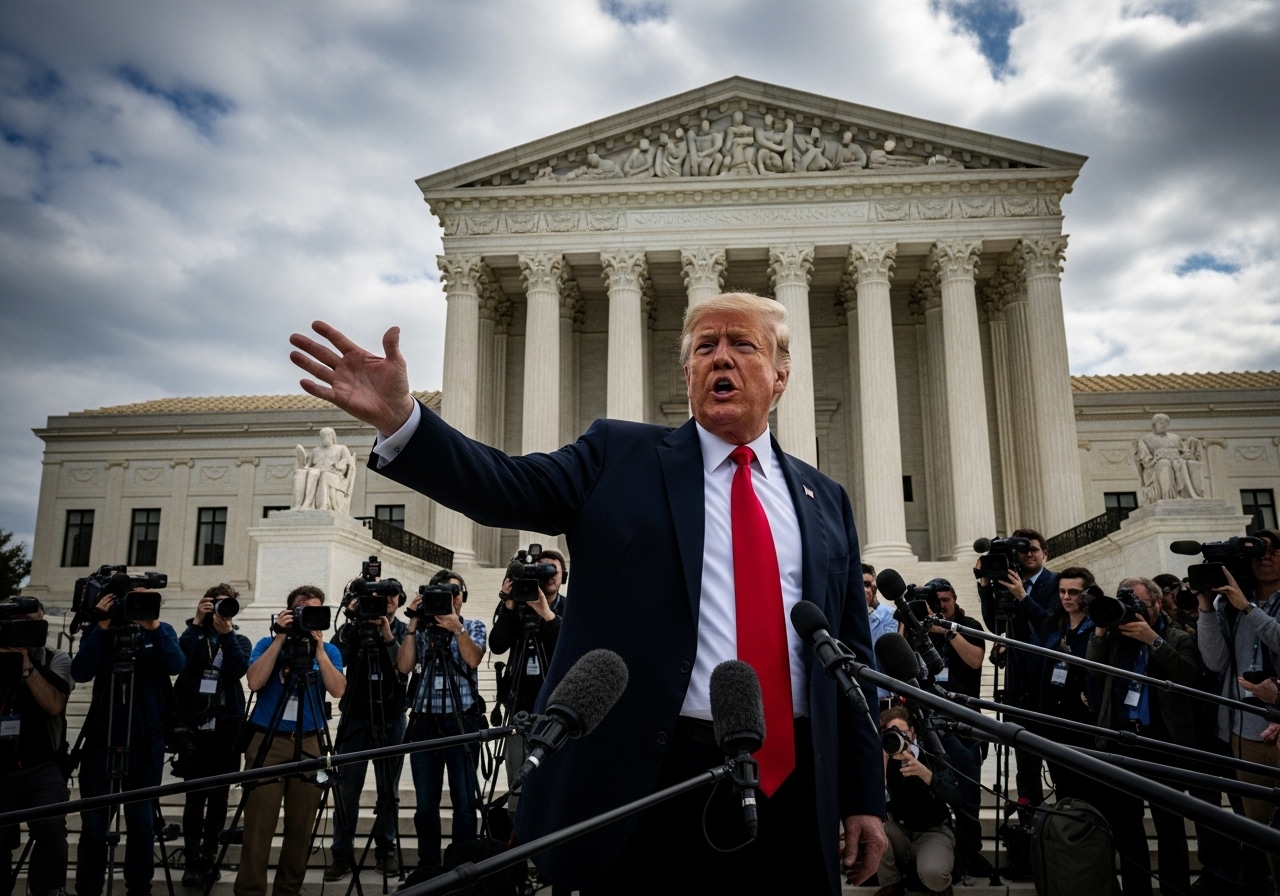
The political response to these arrests has been sharp. President Trump criticized Representative Ilhan Omar, a Democrat from Minnesota, and suggested that Somali migrants have caused more harm than good in the U.S. Omar pushed back, saying that Somali Americans are hardworking and contribute to the country as doctors, teachers, and elected officials.
This situation raises important questions about public safety, immigration enforcement, and how local and federal governments interact. Cities like Minneapolis that adopt sanctuary policies often say they are trying to build trust between immigrant communities and local police. But critics argue that these policies allow dangerous individuals to avoid deportation and continue to harm others.
The arrests also bring up concerns about how the justice system handles repeat offenders. In Mohamed’s case, a failure to keep him in custody after past crimes may have led to another victim being harmed. This has led to renewed calls for stricter enforcement and better cooperation between local courts and federal agencies like ICE.
As the 2025 political season continues, immigration and public safety remain top concerns for many voters. The federal government under President Trump has made clear it will continue to take action where it believes local policies are falling short. Operation Metro Surge in Minneapolis is likely only one of several such efforts to come. The results of these actions may shape national debates about immigration and law enforcement in the months ahead.