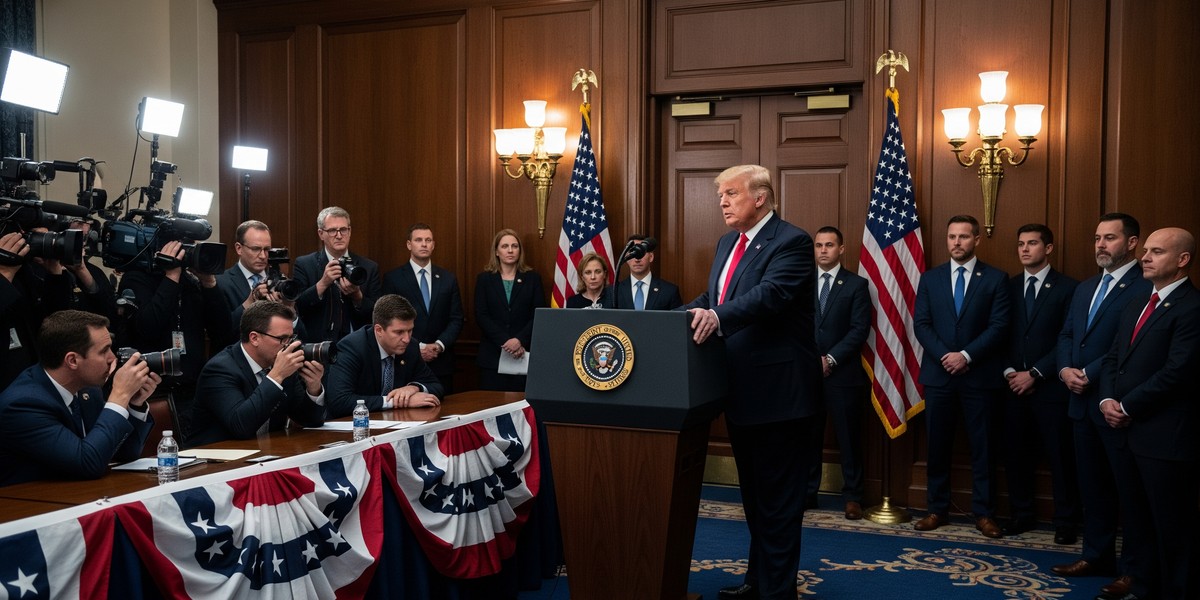


President Trump stood at Mar-a-Lago Sunday night and delivered news the world has been waiting for.
“I do think we’re getting a lot closer, maybe very close.”
He and Ukrainian President Volodymyr Zelensky had just finished discussions on a 20-point peace plan. Then they got on the phone with nine European leaders — together.
This is what peace negotiations look like when someone actually wants results.
Trump and Zelensky Called Nine Leaders Immediately After Their Meeting
The list of leaders Trump rattled off is remarkable:
President Emmanuel Macron of France.
President Alexander Stubb of Finland.
President Karol Nawrocki of Poland.
Prime Minister Jonas Gahr Støre of Norway.
Prime Minister Georgia Meloni of Italy.
Prime Minister Keir Starmer of the United Kingdom.
Chancellor Friedrich Merz of Germany.
NATO Secretary General Mark Rutte.
European Commission President Ursula von der Leyen.
That’s essentially every major European leader involved in the Ukraine situation — all briefed simultaneously by Trump and Zelensky together.
This isn’t diplomacy by committee. It’s leadership.
“95% Progress” on Ending the War
Trump quantified the advancement:
“We covered somebody would say 95%, I don’t know what percent, but we have made a lot of progress on ending that war, which is really certainly the most deadly war since World War II, probably the biggest war since World War II.”
Ninety-five percent isn’t a final deal. But it’s far beyond where anyone was six months ago.
The framework exists. The details are being negotiated. The end is in sight.
“I’m on the Side of Peace”
Trump’s framing matters:
“I’m on the side of peace. I’m on the side of stopping the war.”
Not on Ukraine’s side. Not on Russia’s side. On peace’s side.
That’s the posture of a mediator, not a participant. It’s what makes a deal possible.
Biden was firmly on Ukraine’s side — which meant Russia had no reason to negotiate with America. Trump positioned himself as a broker both sides can work with.
The Timeline: From Tensions to Progress
Let’s trace how we got here.
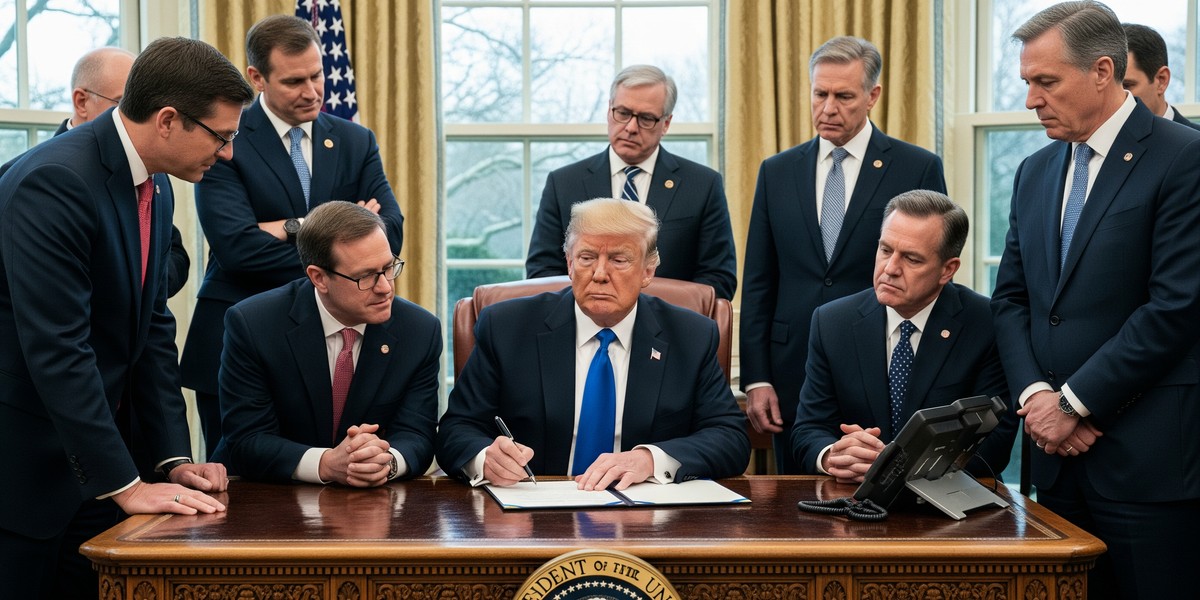
February 28: Zelensky clashed with Trump and Vice President Vance during a tense Oval Office meeting. Trump paused aid and intelligence sharing.
August 15: Trump met with Putin at Alaska’s Elmendorf Air Force Base, seeking a ceasefire.
August 18: Trump met with Zelensky and European leaders to update them on the Putin summit.
Now: Trump and Zelensky meet at Mar-a-Lago, discuss a 20-point plan, and brief European leaders together.
From confrontation to collaboration in less than a year.
NATO Members Are Buying U.S. Weapons for Ukraine
In July, Trump reached an agreement with NATO.
Alliance members would purchase weapons from the United States — including MIM-104 Patriot surface-to-air missiles — and donate them to Ukraine.
This solved multiple problems at once.
Ukraine gets weapons. American defense manufacturers get orders. NATO members share the burden. The U.S. isn’t carrying the cost alone.
Trump turned a contentious issue into a deal that benefits everyone.
The 20-Point Plan Is the Framework
Details of the 20-point plan haven’t been fully disclosed, but we know it’s been sent to Moscow for feedback.
Zelensky has indicated willingness to withdraw from the Donbas if Russia does the same and the region becomes a demilitarized zone with international monitoring.
That’s the kind of compromise that ends wars — both sides give something, both sides get something.
The 20 points apparently cover territorial arrangements, security guarantees, and the path to a permanent settlement.
“The Most Deadly War Since World War II”
Trump’s characterization puts the stakes in perspective.
Hundreds of thousands dead. Cities destroyed. Millions displaced. Europe’s largest conflict since 1945.
Every day the war continues, more people die. More infrastructure is destroyed. More of Ukraine’s future is consumed.
Peace isn’t just desirable. It’s urgent.
Biden Couldn’t End It — Trump Might
The contrast is stark.
Biden sent $100+ billion to Ukraine. He gave speeches about defending democracy. He attended summits and issued communiqués.
The war continued. No peace negotiations made progress. No end was in sight.
Trump paused aid, met with Putin, pressured both sides, and is now reporting “95% progress.”
One approach perpetuated war. The other is ending it.
European Leaders Are Following Trump’s Lead
Notice who was on that call.
Macron. Starmer. Meloni. Merz. The NATO Secretary General. The European Commission President.
These are the leaders who will have to live with whatever peace deal emerges. They’re being briefed by Trump and Zelensky together.
That’s not America acting unilaterally. That’s America leading a coalition toward peace.
Trump critics claimed he’d abandon allies and enable Russian aggression. Instead, he’s coordinating with more allies than Biden ever did — toward an actual resolution.
The War Could End
That sentence deserves emphasis.
The war in Ukraine — nearly four years of death, destruction, and global instability — could actually end.
Not through Russian conquest. Not through Ukrainian collapse. Through negotiated peace.
Trump made that possible by being willing to talk to both sides, pressure both sides, and work toward a deal neither side loves but both can accept.
“Very Close”
Trump’s assessment:
“I do think we’re getting a lot closer, maybe very close.”
He’s not declaring victory. He’s not promising a timeline. He’s stating progress.
Real diplomacy doesn’t happen with dramatic announcements. It happens through patient negotiation, incremental progress, and eventual breakthrough.
Sunday’s meeting and the subsequent call to European leaders suggest that breakthrough may be imminent.
The World Is Watching
If Trump delivers peace in Ukraine, it will be one of the most significant diplomatic achievements in decades.
Critics said he was too confrontational. Too unpredictable. Too transactional.
Those qualities are exactly what made progress possible. Confrontational enough to pressure both sides. Unpredictable enough to keep them engaged. Transactional enough to find terms everyone can accept.
“I’m on the side of peace. I’m on the side of stopping the war.”
And he might actually do it.