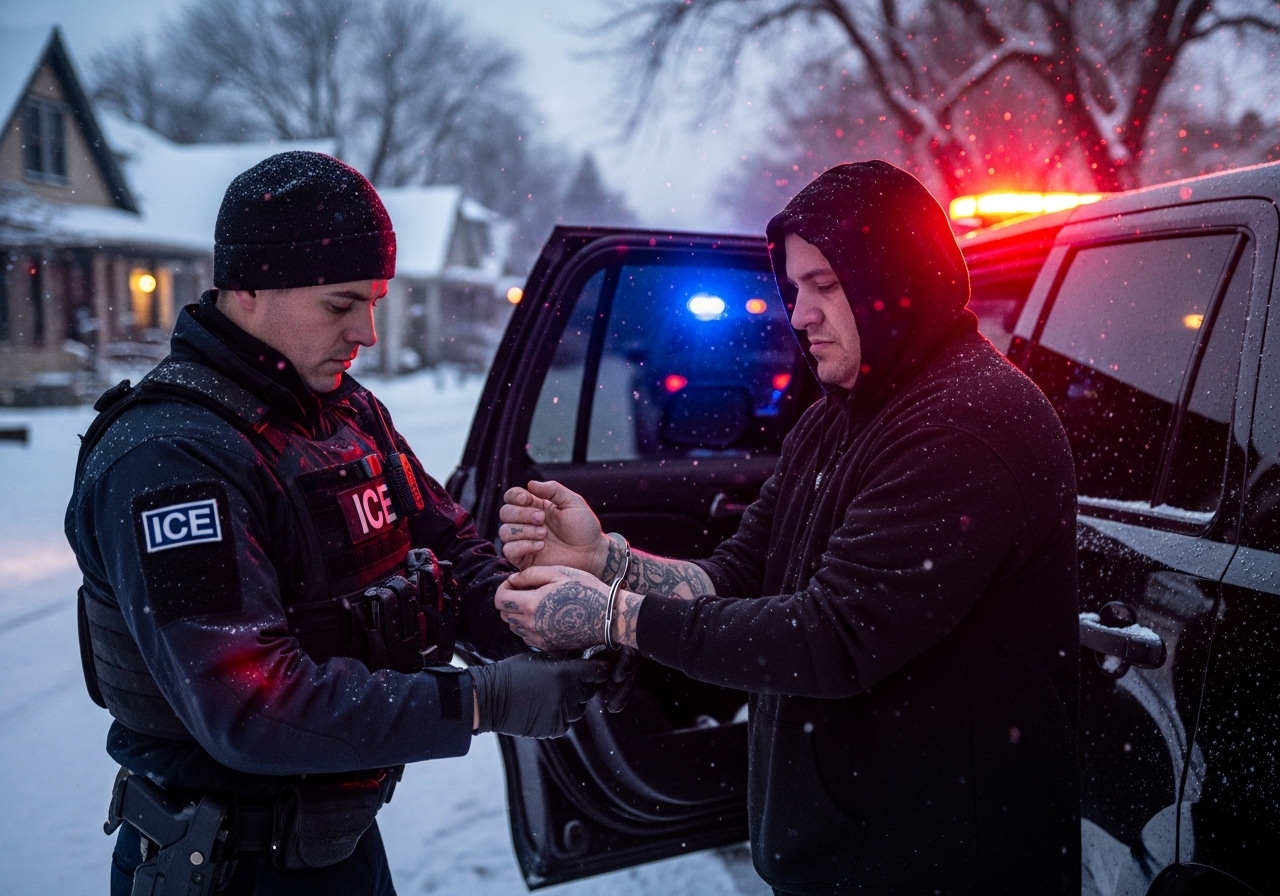


Federal prosecutors have charged two Mississippi sheriffs and 12 other current or former law enforcement officers in a wide-ranging corruption case. These officers are accused of taking bribes and helping what they believed were drug traffickers move cocaine through the Mississippi Delta region. The case has serious implications for public trust in law enforcement and raises questions about oversight and accountability in local police departments.
The charges come after a long investigation by the FBI and the U.S. Attorney’s Office. Authorities say the officers took bribes ranging from several thousand dollars to as much as $37,000. In return, they allegedly provided armed escorts and security for people they thought were part of a Mexican drug cartel. In fact, the drug traffickers were undercover FBI agents.
Two of the most prominent people charged are Washington County Sheriff Milton Gaston and Humphreys County Sheriff Bruce Williams. Prosecutors say both men approved these illegal operations in exchange for bribes. Sheriff Gaston is also accused of trying to hide the payments by calling them campaign contributions, without reporting them as required by law.
The officers involved are accused of helping transport around 55 pounds of cocaine from Mississippi into Memphis, Tennessee. They also allegedly helped protect the cash earned from illegal drug sales. Nineteen of the 20 people charged are also facing federal gun charges. The group includes deputies, jailers, and other public officials who were supposed to enforce the law—not break it.
This case is one of the largest corruption probes in Mississippi in recent years. U.S. Attorney Clay Joyner called it a “monumental betrayal of public trust.” He emphasized that law enforcement officers must be held to the highest standards, especially in communities that rely on them for safety and justice.
Robert Eikhoff, the FBI’s special agent in charge of the Jackson Field Office, also spoke out. He said corruption like this destroys the trust between police and the people they serve. “Law enforcement is only effective when the community they protect can trust the officers,” he said.
Mississippi Governor Tate Reeves responded to the news by stressing that no one is above the law. “The law must apply equally to everyone, regardless of the title or position they hold,” he said. “If you betray the people’s trust in Mississippi, you will face consequences.”
This is not the first time Mississippi law enforcement has faced serious problems. In 2024, former Hinds County Sheriff Marshand Crisler was convicted for taking bribes and providing ammunition to a convicted felon. The year before, six officers pled guilty after torturing two Black men—an incident that led to a federal investigation into the Rankin County Sheriff’s Office. Another investigation found that the Lexington Police Department had discriminated against Black residents.
These repeated scandals raise serious questions about how law enforcement in Mississippi is monitored. While most officers serve their communities honestly, cases like this show what can happen when there is little oversight or accountability. The pattern of misconduct suggests that corruption is not limited to one county or one department.
For voters and lawmakers, this case may lead to calls for reforms in how sheriffs and deputies are chosen and trained. In Mississippi, sheriffs are elected by the public, which gives communities a say in who leads local law enforcement. But it also means that political campaigns can become a way to hide illegal payments, as alleged in Sheriff Gaston’s case.
This case also touches on individual rights. When law enforcement officers break the law, it puts everyone’s safety at risk. It also weakens the rule of law, which depends on fair and honest policing. As the investigation continues, it will be important to watch whether state and federal officials take steps to prevent similar abuses in the future.
For now, the arrests mark a major step in cleaning up corruption in the Mississippi Delta. But they also serve as a warning: when public officials use their power for personal gain, the damage goes far beyond money—it strikes at the very heart of democracy and public trust.